Beyond Heat Sinks: Innovativsolder it aluminum pastesolsolder it aluminum solder pasteder paste disolder it copper bearing solder pastespensing equipmente Thermal Solutions for Next Gen Electronic Componentssolder iron tinning paste
Beyond Heat Sinks: Innovative Thermal Solutions for Next Gen Electronic Components
Author : Colby October 16, 2025Table of Contents
As electronic components become smaller, faster, and more powerful, managing heat is a critical challenge for engineers. Traditional heat sinks are often not enough to handle the thermal demands of next-gen devices. So, how can we ensure optimal performance and reliability? By exploring innovative thermal solutions like thermal interface materials for high-frequency components, advanced cooling techniques for microprocessors, heat pipe integration in embedded systems, and thermoelectric cooling for sensitive sensors. In this blog, we dive deep into these cutting-edge methods to help you stay ahead in electronic design.
Why Thermal Management Matters More Than Ever
Modern electronics are pushing boundaries with higher power densities and miniaturization. Whether it’s a high-frequency component in a 5G device or a microprocessor in a data center server, excess heat can degrade performance, reduce lifespan, and even cause catastrophic failure. Studies show that for every 10°C rise in operating temperature, the failure rate of electronic components can double. This makes advanced thermal management not just a luxury, but a necessity.
While heat sinks have been a go-to solution for decades, they often fall short in compact or high-performance systems. This is where innovative approaches come into play, offering better heat dissipation and more efficient designs tailored to specific applications.
Thermal Interface Materials for High-Frequency Components
High-frequency components, such as those used in 5G infrastructure and RF devices, generate significant heat due to rapid signal switching. This heat must be transferred away efficiently to maintain signal integrity and prevent thermal runaway. Thermal interface materials (TIMs) are a game-changer in this space.
TIMs are substances placed between a heat source (like a high-frequency chip) and a heat sink or spreader to improve thermal conductivity. Advanced TIMs, such as graphene-based compounds or phase-change materials, can achieve thermal conductivities of up to 10-15 W/m·K, far surpassing traditional silicone-based options. These materials minimize thermal resistance, ensuring that heat is dissipated quickly even at frequencies exceeding 10 GHz.
For instance, in a typical RF amplifier, using a high-performance TIM can reduce junction temperatures by as much as 20°C, directly impacting reliability. When selecting a TIM, consider factors like application temperature range, ease of application, and long-term stability under high-frequency vibrations.
Advanced Cooling Techniques for Microprocessors
Microprocessors in servers, gaming consoles, and AI hardware are powerhouses that generate immense heat, often exceeding 100 W/cm2 in high-performance scenarios. Traditional air cooling with heat sinks and fans struggles to keep up, especially in compact designs. This has led to the rise of advanced cooling techniques tailored for microprocessors.
One promising method is liquid cooling, where a coolant circulates through microchannels near the processor to absorb and transfer heat. Liquid cooling systems can reduce temperatures by 30-40% compared to air cooling, making them ideal for overclocked CPUs or densely packed server racks. Another approach is immersion cooling, where entire systems are submerged in a dielectric fluid that absorbs heat directly. This technique has been shown to handle heat fluxes up to 250 W/cm2, a critical threshold for next-gen processors.
Additionally, vapor chamber technology is gaining traction. Vapor chambers spread heat evenly across a larger surface area using a sealed chamber with a working fluid that evaporates and condenses to transfer heat. This can lower thermal resistance to below 0.2°C/W, ensuring uniform cooling for multi-core processors.
Heat Pipe Integration in Embedded Systems
Embedded systems, such as those in IoT devices, automotive electronics, and industrial controllers, often operate in confined spaces with limited airflow. Heat pipes offer an efficient and compact solution for thermal management in these environments. A heat pipe is a sealed tube containing a working fluid that transfers heat through evaporation and condensation cycles, achieving thermal conductivities up to 10,000 W/m·K—hundreds of times higher than solid copper.
Integrating heat pipes into embedded systems allows heat to be moved from hot spots to areas with better dissipation potential, even in tight layouts. For example, in an automotive control unit, a heat pipe can transport heat from a central processor to a remote heat sink near the chassis, maintaining operating temperatures below 85°C even under harsh conditions. Their lightweight and passive nature (no moving parts) also makes them ideal for rugged applications.
Design considerations include the heat pipe’s diameter (often 3-6 mm for compact systems), wick structure for fluid return, and orientation, as gravity can affect performance. When implemented correctly, heat pipes can extend the lifespan of embedded systems by preventing thermal stress on critical components.
Thermoelectric Cooling for Sensitive Sensors
Sensitive sensors, such as those used in medical imaging, infrared detection, and precision measurement systems, often require precise temperature control to maintain accuracy. Even small temperature fluctuations can skew readings or damage delicate components. Thermoelectric cooling (TEC) provides a targeted solution for these applications.
TEC systems use the Peltier effect, where an electric current creates a temperature difference across a junction of two different materials, effectively cooling one side while heating the other. This allows for precise cooling below ambient temperatures, often down to -10°C or lower, depending on the system design. For a sensor operating at a power dissipation of 5 W, a TEC module with a cooling capacity of 10-15 W can maintain a stable temperature within ±0.1°C.
Recent advancements in TEC materials, such as bismuth telluride composites, have improved efficiency, with coefficients of performance (COP) reaching 0.5-0.7 under optimal conditions. This makes TEC viable for small-scale, high-precision cooling in compact sensor housings. However, engineers must balance the power consumption of TEC systems and ensure adequate heat rejection on the hot side to prevent system inefficiencies.
Comparing Thermal Solutions: What’s Best for Your Design?
Each of these innovative thermal solutions has unique strengths and trade-offs. To help you choose the right approach, let’s break down their applications:
- Thermal Interface Materials for High-Frequency Components:Best for RF and 5G devices where minimal thermal resistance is critical. Ideal for high-frequency switching environments with heat fluxes of 50-100 W/cm2.
- Advanced Cooling Techniques for Microprocessors:Suited for high-performance computing with heat loads exceeding 100 W/cm2. Liquid cooling and vapor chambers excel in server and gaming applications.
- Heat Pipe Integration in Embedded Systems:Perfect for compact, airflow-limited designs like IoT and automotive electronics. Effective for moderate heat loads of 10-50 W.
- Thermoelectric Cooling for Sensitive Sensors:Optimal for precision applications requiring sub-ambient cooling and tight temperature control, with low heat loads of 1-10 W.
Selecting the right solution depends on your design constraints, such as space, power budget, and operating environment. Combining multiple techniques, like using TIMs with heat pipes, can also yield superior results in complex systems.
Future Trends in Thermal Management for Electronics
The field of thermal management is evolving rapidly to keep pace with electronic advancements. Emerging materials like carbon nanotubes and advanced phase-change materials promise even higher thermal conductivities, potentially exceeding 20 W/m·K for TIMs. On the cooling front, embedded microchannel cooling is being explored for direct integration into semiconductor chips, tackling heat fluxes above 300 W/cm2.
Additionally, smart thermal management systems using AI to dynamically adjust cooling based on real-time temperature data are on the horizon. These systems could optimize power usage while maintaining peak performance, a critical factor for energy-efficient designs in data centers and portable devices.
Practical Tips for Implementing Advanced Thermal Solutions
Ready to integrate these innovative solutions into your next project? Here are some actionable steps to get started:
- Assess Your Thermal Needs:Measure the heat load, operating temperature range, and space constraints of your components to select the right solution.
- Test Materials and Methods:Experiment with different TIMs or cooling setups in a prototype phase to find the best fit for your design.
- Optimize for Efficiency:Balance cooling performance with power consumption, especially for TEC or active cooling systems.
- Stay Updated:Follow advancements in thermal management materials and techniques to leverage the latest innovations.
By taking a proactive approach, you can ensure your electronic designs remain reliable and performant, even under the most demanding conditions.
Conclusion: Staying Cool in a Hot Industry
As electronic components continue to evolve, so must our strategies for managing heat. Beyond traditional heat sinks, solutions like thermal interface materials for high-frequency components, advanced cooling techniques for microprocessors, heat pipe integration in embedded systems, and thermoelectric cooling for sensitive sensors offer powerful ways to tackle thermal challenges. These innovations not only enhance performance but also extend the lifespan of critical devices.
At ALLPCB, we’re committed to supporting engineers with the tools and knowledge needed to build cutting-edge electronics. Whether you’re designing for 5G, AI, IoT, or precision sensing, staying ahead of thermal management trends is key to success. Explore these solutions in your next project and keep your designs running cool and efficient.
Share · · · ·
The Role of Flux in PCB Wave Soldering: Selection, Application, and Residue Removal
March 16, 2026PCB wave soldering flux types include rosin, water-soluble, and no-clean options with varying activity levels for oxide removal and solder flow. This guide covers selection criteria, spray foam drop-jet application methods, residue removal processes, and alternatives like nitrogen blanketing to boost joint reliability and yields for engineers.
Article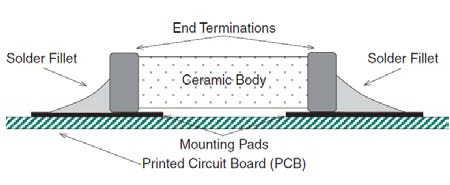
Achieving Uniform Solder Fillets in PCB Wave Soldering: Process Control
March 16, 2026Achieve uniform solder fillets in PCB wave soldering with process control strategies. Optimize flux, preheat, wave height, conveyor speed for consistent fillet shape, height, and wetting balance. Includes visual inspection tips and troubleshooting for reliable through-hole assemblies. Boost quality in production.
Article
Optimizing Conveyor Speed for Efficient PCB Wave Soldering
March 16, 2026Learn PCB wave soldering conveyor speed calculation to manage dwell time, immersion depth, and throughput effectively. Electric engineers get practical steps, best practices, and troubleshooting tips for higher process efficiency and fewer defects in wave soldering operations.
Article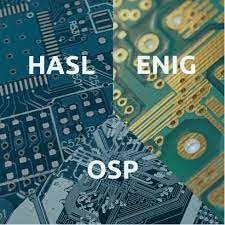
Understanding IPC Standards for PCB Surface Finishes: Ensuring Quality and Compliance
March 11, 2026Understand IPC standards IPC 4552 ENIG and IPC 4553 immersion silver for PCB surface finishes. Ensure compliance, enhance solderability, and prevent common defects to achieve reliable, high quality circuit boards.
Article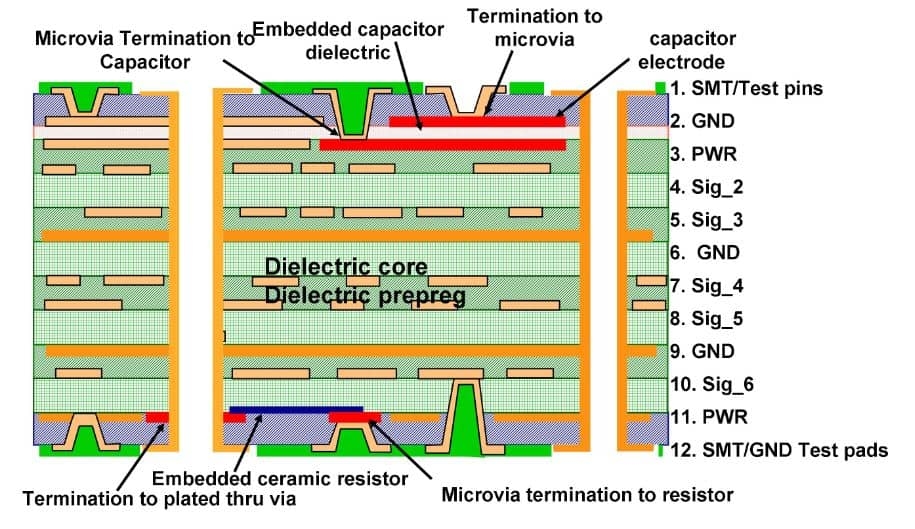
Miniaturization Challenges in PCB Assembly
March 11, 2026Navigate the complexities of high density interconnect PCB assembly and precise component placement. Learn to tackle miniaturization challenges, from tiny part handling to thermal stress, ensuring robust and reliable electronics.
Article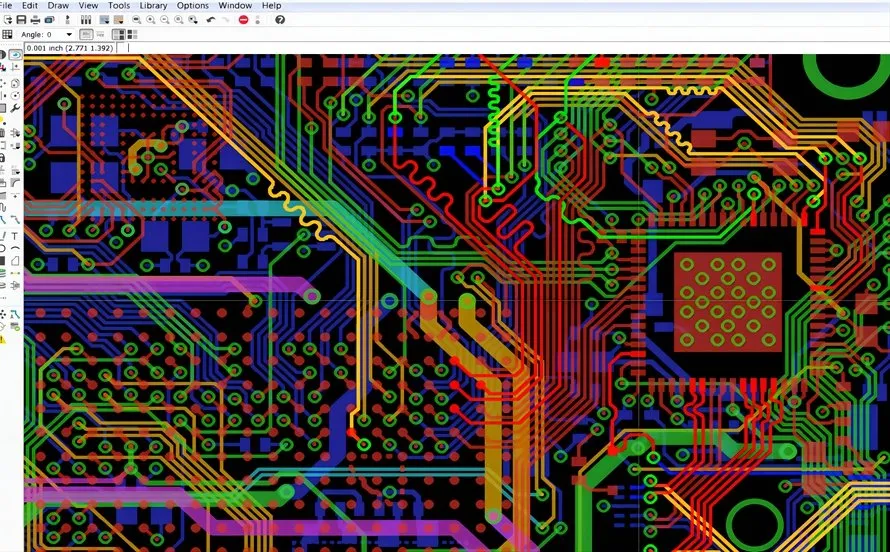
High Speed Routing Techniques: PCB
March 11, 2026Master high speed routing in PCBs to ensure signal integrity and minimize electromagnetic interference. Learn essential techniques for robust designs, from controlled impedance to differential pair strategies. Prevent performance issues and achieve reliable electronics.
ArticleGet Instant PCB
Quotations
Full-featured PCB
manufacturing service at low cost.